
In the bustling environment of professional kitchens, maintaining the quality and safety of frying oil is paramount, especially during peak hours when orders are flying in at a rapid pace. The integrity of frying oil not only affects the taste and texture of food but also plays a crucial role in ensuring customer health and satisfaction. As such, chefs and kitchen staff are increasingly vigilant about monitoring warning signs that indicate when oil needs attention or replacement.
During peak hours, the demands on kitchen operations intensify, making it essential for teams to work efficiently while maintaining high standards. Frying oil can quickly degrade under continuous use due to factors like heat exposure, food particles, and moisture. This degradation can result in off-flavors, undesirable textures in fried foods, and potentially harmful compounds forming within the oil. Therefore, identifying early frying oil warning signs becomes critical.
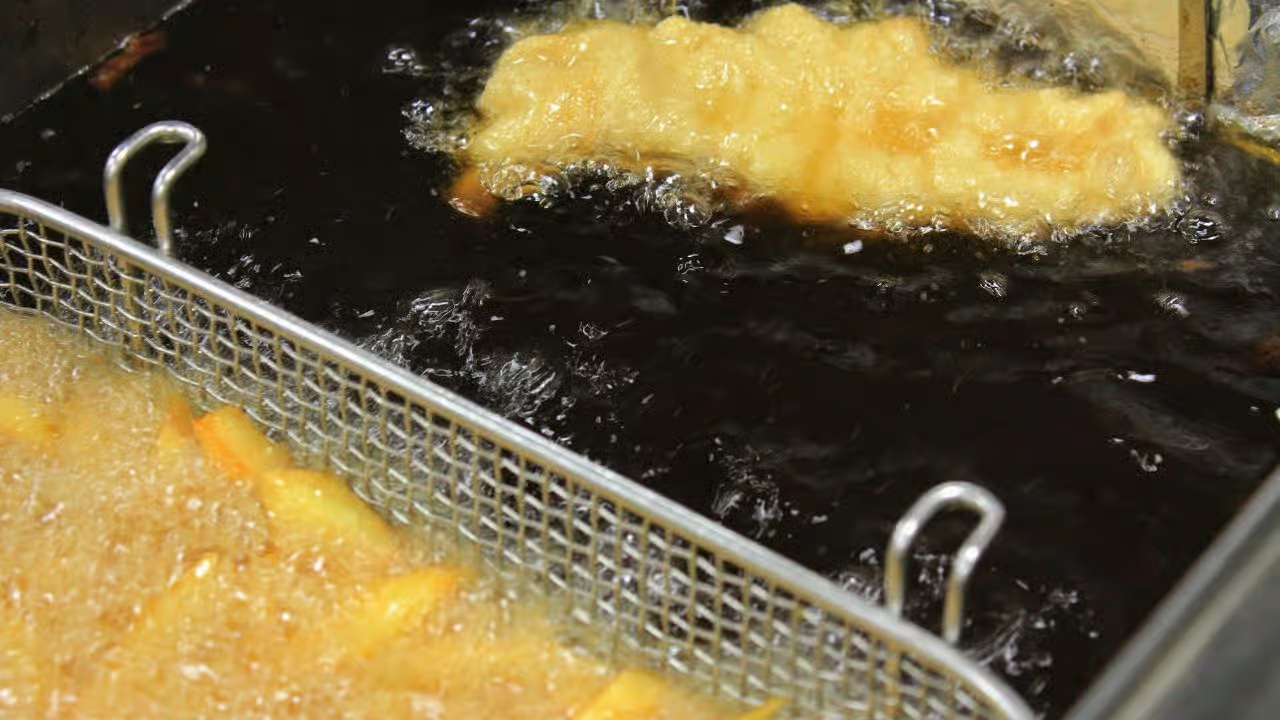
One primary indicator that frying oil requires attention is its color change. Fresh frying oil typically has a light golden hue; however, as it degrades due to repeated heating cycles and food residue accumulation, it darkens significantly. A change in color often signifies that the oil has reached its limit for safe use.
Another key sign is smoke point reduction. Fresh oils have specific temperatures at which they begin to smoke—known as their smoke points—but these temperatures lower with repeated use as free fatty acids increase within the oil structure. If an unusual amount of smoke is observed during cooking at normal temperatures or if there’s an acrid smell accompanying this smoke, it’s likely time for an intervention.
Moreover, foam formation on the surface of hot frying oil indicates excessive breakdown products present within it—another clear signal that replacement might be necessary soon after service concludes if not immediately feasible during busy periods.
Taste tests also serve as valuable tools; experienced chefs can often detect subtle changes indicating deteriorating quality before they become apparent visually or through scent alone.